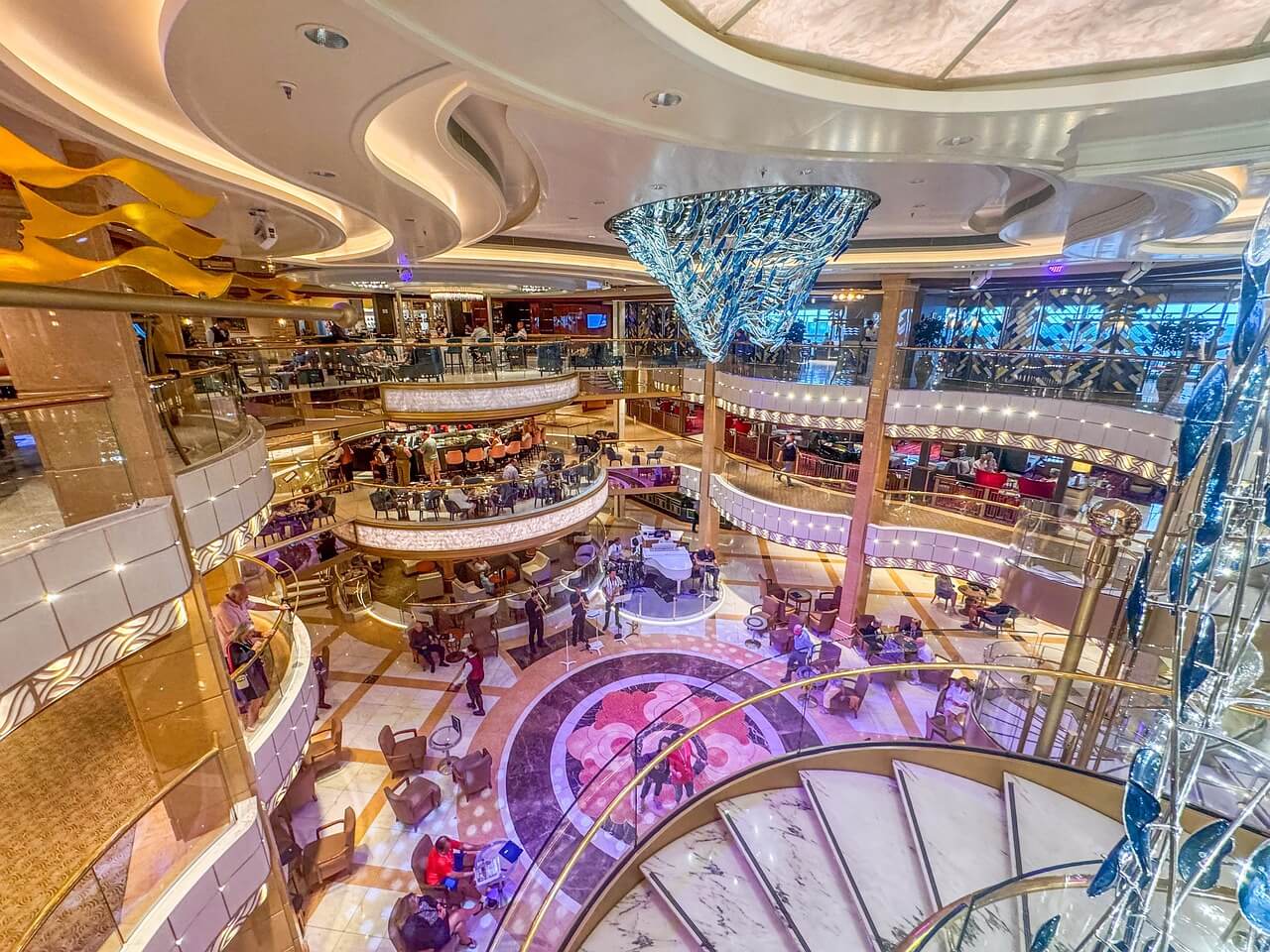
Cruises can be a great vacation value.
Your room, transportation between ports, many meals, entertainment, and onboard spaces are often bundled into one trip. That is one reason cruising is so appealing.
The problem starts when travelers look only at the base fare.
A cruise may show one price online, but that number is not always the full vacation cost. By the time you add taxes, gratuities, flights, hotels, transfers, Wi-Fi, drinks, excursions, specialty dining, travel insurance, and spending in port, the real number can look very different.
That does not mean cruising is a bad deal.
It means you need to budget like a grown-up before you book.
The cruise fare matters, but it is only the starting point.
Start With the Cruise Fare, But Do Not Stop There
The base cruise fare usually includes your cabin, most meals, many onboard entertainment options, and transportation from port to port.
That is valuable.
Still, the fare does not automatically include every part of the trip. Each cruise line and fare type is different, so the details matter.
Some cruise lines bundle more into the price. Others keep the starting fare lower and let you add extras. A promotion may include drinks, Wi-Fi, or gratuities, but another sailing on the same line may not.
This is where comparison shopping gets messy.
Two cruises can look similar at first glance. One may include more upfront, while the other may require you to add packages later. The lower starting fare is not always the better value.
A smarter question is:
What will this trip cost by the time I actually travel?
Gratuities
Gratuities are one of the most common surprise costs for first-time cruisers.
Many cruise lines add automatic daily gratuities or service charges per person, per day. These usually support dining staff, stateroom attendants, and other crew members.
Some travelers prepay gratuities before sailing. Others pay them through the onboard account during the cruise.
Either way, they should be part of your budget.
For a couple on a seven-night cruise, daily gratuities can add a noticeable amount to the trip total. Families and groups need to pay even closer attention because the cost multiplies by traveler and night.
Luxury lines or certain promotions may include gratuities, but you should never assume.
Always check before comparing prices.
Port Fees and Taxes
Taxes and port fees can also change the number you see at checkout. They are usually not optional, and they can vary by itinerary, port, and cruise length.
That is why the price you first notice may not be the same number you actually pay.
Wi-Fi
Wi-Fi is another cost people forget.
Many travelers say they want to disconnect. Then they remember work emails, kids at home, pet sitters, bank alerts, travel apps, group chats, medical updates, or the need to check flights.
Cruise ship internet is often sold as a package. Pricing can vary by cruise line, device count, speed, and whether you buy before sailing or onboard.
Some fares or suite categories may include Wi-Fi. Other travelers need to purchase it separately.
Before booking, be honest about whether you will need internet.
If you truly want to unplug, great. If you know your phone will still be part of the trip, put Wi-Fi in the budget instead of pretending you will magically become a different person at sea.
Drink Packages
Drink packages can be helpful, but they are not automatically a good deal for everyone.
Cruise lines may offer packages for alcohol, soda, specialty coffee, bottled water, fresh juices, or combinations of drinks. The rules vary.
Some packages require every adult in the cabin to purchase the same package. Many also add service charges or gratuities. A package that looks simple at first can become expensive fast.
The right choice depends on how you actually drink.
A traveler who enjoys cocktails, wine, specialty coffee, and bottled water every day may find value in a package. Someone who drinks mostly water, tea, lemonade, basic coffee, or the occasional cocktail may not.
Do not buy a drink package because someone online said it is “worth it.”
Run the math for your habits.
Specialty Dining
Most cruises include plenty of food in the base fare.
Main dining rooms, buffets, casual spots, and some snack areas are often included. Specialty restaurants are different.
Steakhouses, sushi restaurants, chef’s tables, seafood spots, Italian venues, and premium dining experiences may cost extra.
That does not make them bad.
Specialty dining can be a great choice for an anniversary dinner, birthday trip, group celebration, or traveler who wants more variety. The problem comes when people assume every restaurant onboard is included.
Before sailing, check which dining venues are included and which ones cost extra.
A few planned specialty meals can be enjoyable. Accidental spending because you did not understand the dining setup is just sloppy planning.
Shore Excursions
Ports are a big part of cruising, and shore excursions can become one of the largest extra costs.
You might want snorkeling, wildlife tours, city sightseeing, food tours, beach clubs, ruins, private guides, glacier experiences, train rides, or cultural tours.
Some excursions are affordable. Others are expensive, especially in Alaska, Europe, and bucket-list destinations.
Skipping excursions can save money, but it is not always the best choice. Some ports are easy to explore casually. Others require transportation, timing, or a planned tour to enjoy them well.
The mistake is not spending money on excursions.
The mistake is failing to budget for the experiences you actually want.
If Alaska wildlife, Mediterranean history, or a special beach day is the reason you chose the cruise, do not pretend the port budget does not matter.
Flights, Hotels, and Transfers
The cruise fare does not usually include the cost of getting to the ship.
Flights, baggage fees, airport parking, rideshares, rental cars, transfers, and pre-cruise hotels can change the full price quickly.
Flying in the same day your cruise leaves may look cheaper, but it can be risky. Delays, cancellations, weather, and missed connections can turn that “savings” into a crisis.
For many cruisers, arriving the day before is the smarter plan.
That often means adding a hotel, dinner, transportation, and maybe an extra day away from home.
Those costs are not hidden because anyone is tricking you.
They are hidden because travelers forget to count them.
Travel Insurance
Travel insurance is not exciting.
It is also not the place to get lazy.
Cruises involve moving pieces: flights, hotels, ports, medical care, weather, luggage, family emergencies, and sometimes international travel.
A medical issue outside the United States can become expensive fast. Missed connections can affect boarding. Weather may disrupt flights or itineraries. A family emergency before travel can change everything.
The cost of travel insurance depends on the traveler, trip price, coverage type, timing, and policy.
Not every traveler needs the same coverage, but every traveler should at least understand the risk of going without it.
If your budget cannot handle losing the trip cost or dealing with a major disruption, insurance deserves a serious look.
Passports and Travel Documents
Travel documents can also affect your budget.
A passport book, passport renewal, certified birth certificate, name change paperwork, child documentation, or expedited processing may create extra costs before the trip.
Some closed-loop cruises may allow certain U.S. citizens to travel with a birth certificate and government-issued photo ID. That does not make a passport book pointless.
A birth certificate may help you board some cruises.
A passport book gives you more protection if you need to fly home from another country.
Document costs should be handled early. Waiting until the last minute can create stress, rushed fees, or worse, no trip.
Onboard Spending
Onboard spending is where small choices stack up.
Photos, spa treatments, fitness classes, casino play, arcade games, shopping, laundry, medical visits, premium desserts, upgraded room service, and paid activities can all add to the onboard account.
Nobody has to buy every extra.
Plenty of travelers enjoy cruises without spending wildly onboard.
The trick is knowing yourself.
If you love photos, spa time, cocktails, shopping, or casino play, budget for it. Pretending you will spend nothing when you know your habits is how the final bill becomes painful.
Set a number before sailing.
Then check your onboard account during the cruise so there are no ugly surprises at the end.
Port Spending
Even if you skip formal excursions, ports can still cost money.
Lunch, snacks, taxis, beach chairs, souvenirs, tips, local transportation, museum tickets, bathroom fees, bottled water, and small purchases can add up.
Some travelers also like to bring cash for tips or small vendors, depending on the destination.
This is especially important for families and groups. One “cheap port day” can turn into a pile of little purchases if nobody planned ahead.
Build in a port spending cushion.
Your future self will appreciate it.
How to Budget Smarter Before Booking
A better cruise budget includes more than the cruise fare.
Before booking, estimate:
- cruise fare
- taxes and port fees
- gratuities
- flights
- pre-cruise hotel
- transfers or parking
- travel insurance
- passports or documents
- Wi-Fi
- drink packages
- specialty dining
- shore excursions
- port spending
- onboard extras
- post-cruise buffer
You may not need every category.
The point is to look at the whole trip before deciding whether a cruise fits your budget.
A cruise with a higher fare may be a better value if it includes more of what you need. A lower fare may still work beautifully if you understand what you will add later.
The goal is not to scare you away from cruising.
The goal is to help you avoid booking a trip that feels affordable online and stressful in real life.
So, What Hidden Cruise Costs Should You Plan For?
The biggest hidden cruise costs are usually gratuities, Wi-Fi, drink packages, specialty dining, shore excursions, flights, pre-cruise hotels, transfers, travel insurance, passports or documents, onboard spending, and port expenses.
Some are optional.
Others are not.
A smart traveler looks at the full vacation cost before booking, not just the cruise fare.
Want Help Seeing the Real Cruise Cost Before You Book?
Dream Travels 4 You helps travelers look beyond the starting cruise fare and compare the pieces that can change the real cost of the trip.
That includes the ship, itinerary, cabin, taxes and port fees, gratuities, flights, hotels, transfers, Wi-Fi, drink packages, excursions, travel insurance, and the extras that matter for the way you actually want to travel.
The goal is not to make every cruise more expensive.
The goal is to help you understand what is included, what is not included, and where your money needs to go so the trip feels clear before you book.
Start with the Stress-Free Vacation Starter Guide if you are still sorting through the early planning pieces.
Already comparing cruise options?
Schedule a cruise planning consultation and let’s look at the true cost before you book.
Leave a Reply