
Planning your first cruise sounds easy…at first.
Then you start looking.
Suddenly you are comparing cruise lines, ship sizes, cabin types, drink packages, dining rules, shore excursions, gratuities, flights, ports, and ten different opinions from people who all swear their favorite cruise is “THE Best One.”
That is where many first-time cruisers freeze.
The problem is not that cruising is too complicated. The problem is that most people start in the wrong place.
They start with either: the price, ship, or whatever someone else liked.
A better place to start begins with one simple question:
What Do You Need This Vacation to Give You?
The real questions I ask my voyagers do not usually start with price, cruise line, or the ship.
They start with what you actually need from the vacation.
- Rest and space to breathe
- Sunshine, warmth, and unhurried days
- Meals, details, and logistics already handled
- Adventure, scenery, or new places to explore
- Family time, romance, entertainment, quiet, or a little of each
Then comes the part many travelers forget to think through early enough: who is actually going.
A vacation for two adults is different from a trip with grandparents, young children, adult siblings, friends, or a multi-generational group. Mobility needs, food restrictions, medical concerns, sensory needs, room setup, walking distance, transportation, and pacing can all change what “the right fit” looks like.
That does not mean the trip has to be complicated.
It means the vacation should be crafted around the people going, not a trip someone else took.
Still not sure what kind of vacation would actually help you rest?
That is normal. Sometimes the first step is not choosing the ship. It is figuring out why past vacations felt busy, draining, or harder than they needed to be. I talk more about that in Why Your Vacation Didn’t Feel Restful — And How to Fix That Next Time.
Once you know the kind of trip you need, choosing your first cruise becomes easier.
Choose the Cruise Details That Protect the Trip You Actually Want

Your first cruise should feel like the right rhythm for you, not a test you have to pass.
Some travelers want a floating resort with restaurants, shows, pools, music, casino time, and plenty to do. Others would rather have beautiful scenery, quiet mornings, and destination-focused days.
Both can be wonderful.
Neither is right for everyone.
A family with teenagers may want a ship full of activities. A burned-out couple may want a balcony, slower mornings, and fewer decisions. Friends celebrating a birthday may care more about nightlife and onboard energy. A traveler dreaming about Alaska may care far more about glaciers, wildlife, and port times than waterslides or themed restaurants.
That is why “What is the best cruise?” is usually the wrong question.
The better question is:
What is the best cruise for the way I want to travel?
Choose the Destination With Care

Destination shapes the entire cruise experience.
A Bahamas or Caribbean cruise can be a good first cruise for travelers who want warm weather, beaches, pools, and a lower-pressure introduction to cruising. These sailings are often easier to understand and may work well for a first try.
Alaska feels completely different. That kind of cruise is more about scenery, wildlife, excursions, layers of clothing, and choosing the right time of year. The ship still matters, but the route and views become a major part of the trip.
Europe or Mediterranean cruises can be incredible, especially for travelers who want culture, food, history, and multiple destinations in one vacation. They can also involve long flights, busy port days, more walking, and extra planning before and after the cruise.
None of these choices are wrong. They simply serve different vacation needs.
Before choosing the ship, make sure the destination matches the trip you actually want.
Be Honest About Ship Size
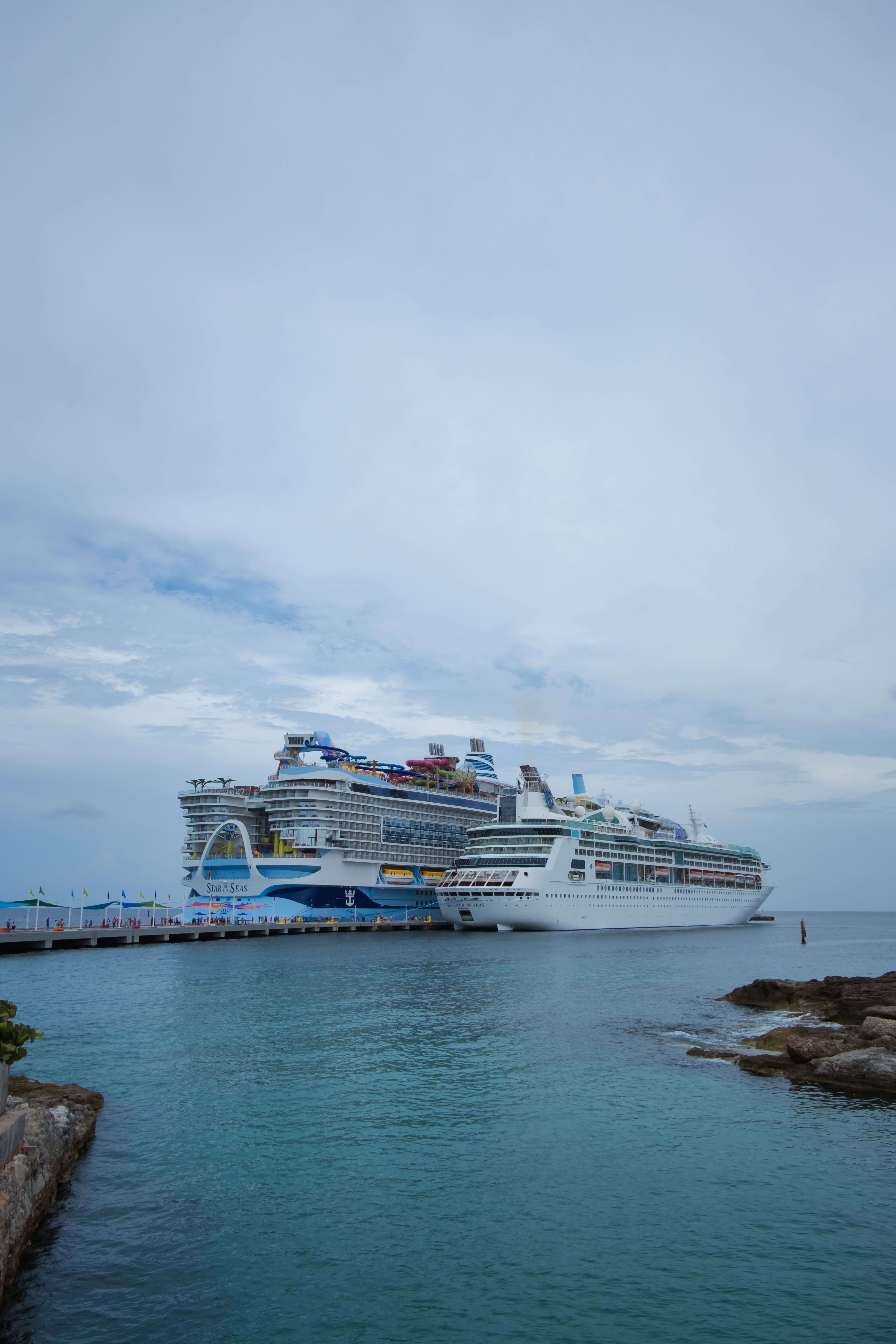
Ship size matters more than many first-time cruisers realize.
Large ships usually offer more restaurants, lounges, entertainment, pools, activities, kids’ spaces, and nightlife. For travelers who want options, that can be exciting.
A massive ship can also mean more walking, more people, more noise, and more decisions.
Smaller ships often feel calmer and easier to navigate. They may be better for travelers who want less chaos, a more relaxed atmosphere, or a stronger focus on the destination.
The trade-off is simple: smaller ships may have fewer dining choices, less entertainment, and quieter evenings.
Neither choice is automatically better.
A big ship can be perfect if you want energy and variety. A smaller ship may be a better fit if too many choices wear you out.
For a first cruise, choose a ship you can enjoy without needing a map, a spreadsheet, and a recovery day.
Do Not Treat the Cabin Like an Afterthought

Your cabin affects more than where you sleep.
It can shape your comfort, privacy, budget, motion sensitivity, noise level, and how much personal space you have during the trip.
An inside cabin can be a smart budget choice for travelers who mainly plan to sleep and shower there. Oceanview cabins add natural light without the higher price of a balcony. Balcony cabins give you private outdoor space, which can matter a lot if you enjoy quiet mornings, scenic cruising, or taking breaks from public areas.
For travelers worried about motion, a balcony may also help because fresh air, natural light, and a view of the horizon can make the movement feel less disorienting. Cabin location matters too. Some parts of the ship tend to feel more movement than others, and a room under a nightclub, pool deck, or busy public area may not be the best choice if sleep is important.
Length matters as well.
For a first cruise, longer is not automatically better. Shorter sailings can be a smart way to test your sea legs, learn the rhythm of cruising, and see how you feel before committing to a longer trip.
That does not mean every first-time cruiser needs a three-night cruise.
It means your first cruise should be chosen with comfort in mind, not just price, ship, or destination.
Look Beyond the Cruise Fare
Cruise pricing can be misleading if you only look at the starting fare.
That does not mean cruising is a bad value. It can be a very strong vacation value. But the full trip cost matters.
You may also need to budget for:
- taxes and port fees
- gratuities
- flights
- pre-cruise hotel
- transfers
- drink packages
- Wi-Fi
- specialty dining
- shore excursions
- travel insurance
- passports or travel documents
- onboard spending
A cruise that looks cheaper at first may cost more once the extras are added. Another sailing may have a higher upfront price but include more of what you actually need.
The budget should always be respected.
Your wallet is your wallet.
The goal is not to shame anyone into spending more. A smart cruise choice helps you spend in the places that matter and avoid wasting money on the wrong fit.
Cheap is not always better.
Expensive is not always smarter.
Value comes from matching the trip to your priorities.
Think About the Port Days

Your cruise is not only about the ship.
Port days can be the highlight of the trip, especially if you care about beaches, sightseeing, food tours, wildlife, historic sites, snorkeling, or local experiences.
Some ports are easy to enjoy casually. Others require transportation, planning, or a booked excursion. A few involve tender boats, long walks, heat, stairs, early mornings, or sold-out tours.
Trying to do too much on your first cruise can turn vacation into a checklist.
A better plan usually includes a mix of experiences and breathing room.
One port might be perfect for an excursion. Another could be your slow day. Sea days can also be part of the rest, not empty space you need to fill.
The right cruise gives you enough to enjoy without making you feel like you are being dragged through your own vacation.
Match the Cruise to Your Travel Personality
This is the part people skip, and it matters.
Do you like structure or flexibility?
Would you rather have quiet or energy?
Do you want casual dining or something more elevated?
Are you excited by big shows, or do you prefer smaller spaces?
Would a full ship energize you or wear you down?
Do you need downtime built into the trip?
Your answers matter more than your neighbor’s favorite cruise line.
A ship that is perfect for a family reunion may be completely wrong for a quiet anniversary. A short party-style cruise may not fit someone who needs real rest. A port-heavy itinerary may excite one traveler and exhaust another.
The best first cruise is not the one everyone talks about.
It is the one that fits your pace, people, budget, and energy.
If you already have a few cruise options in mind but are not sure which one actually fits, a planning conversation can help you sort through the trade-offs.
Final Answer: How Do You Choose the Right First Cruise?
Choose your first cruise by matching five things:
- The vacation feeling you want
- The destination that fits your energy and interests
- The ship size and onboard atmosphere
- The cabin type and location
- The full trip cost, not just the cruise fare
Once those pieces are clear, the options become easier to sort.
You do not need to know every ship, every cruise line, and every itinerary before you start planning.
What you need is a clear way to compare the choices.
Your first cruise should feel exciting, not overwhelming. It should help you step into vacation mode instead of giving you another project to manage.
That starts with knowing what kind of vacation you actually need, who is going, what comfort concerns matter, and which choices will support the way you want to travel.
Still sorting through the early planning pieces?
Download the Stress-Free Vacation Starter Guide.
Already comparing cruise options?
Schedule a consultation and let’s look at what actually fits.
Leave a Reply